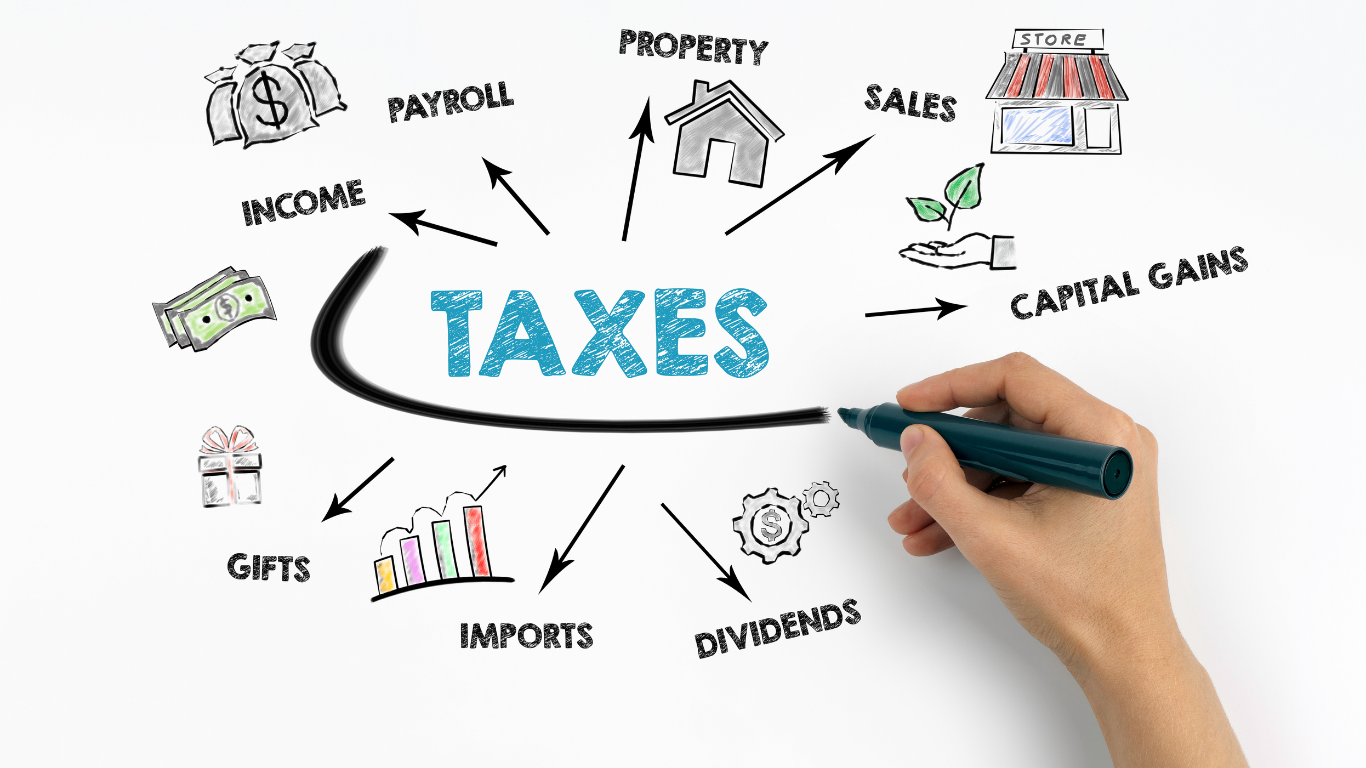

Optimize your tax position and boost your bottom line with these smart strategies
Why Tax Planning Matters
Effective tax planning is crucial for small businesses in South Africa. It not only helps you comply with SARS regulations but also maximizes your after-tax income. By implementing smart strategies, you can reduce your tax liability legally and ethically, freeing up resources to reinvest in your business growth.
Key Tax Planning Strategies
1. Choose the right business structure
The structure of your business can significantly impact your tax obligations. Options include:
TIP
Consult with a tax professional to determine the most tax-efficient structure for your specific situation.
2. Timing of income and expenses
Strategically timing your income and expenses can help manage your tax liability:
3. Maximize deductions and credits
Take full advantage of all available deductions and credits:
4. Implement a Retirement Plan
Contributions to approved retirement funds are tax-deductible:
5. Utilize Small Business Corporation Tax Benefits
If you qualify as a Small Business Corporation (SBC), you can benefit from:
6. Consider VAT Registration
Even if your turnover is below the compulsory VAT registration threshold:
Advanced Strategies
7. Employment Tax Incentive (ETI)
If you employ young workers (18-29 years old), you may qualify for the ETI:
8. Strategic Use of Capital Allowances
Properly claiming capital allowances can significantly reduce your tax bill:
9.Transfer Pricing Considerations
If your business has international operations or related party transactions:
Stay Informed and Compliant
Tax laws and regulations change frequently. To ensure your tax planning remains effective and compliant:
Next Steps
Effective tax planning is an ongoing process. Consider these additional resources to further optimize your business finances:
Disclaimer:
This guide provides general information on tax planning strategies for small businesses in South Africa. Tax laws are complex and subject to change. Always consult with a qualified tax professional for advice tailored to your specific circumstances.